Chinese Beef Broccoli Recipe- Easy & Flavorful
Chinese Beef and Broccoli (牛肉炒西兰花) is a timeless classic for a reason, and today, I’m thrilled to share my approach to making this beloved dish at home. It’s a weeknight dinner hero, the kind of meal that always satisfies with its perfect balance of tender, savory beef and crisp, vibrant broccoli. What makes this particular Chinese Beef and Broccoli (牛肉炒西兰花) so special? It’s all about the technique and the simple, yet deeply flavorful sauce that coats every bite. We’re talking about achieving that addictive wok hei, that subtle smoky char that elevates humble ingredients into something truly extraordinary. Forget bland, boring versions; this recipe is designed to deliver restaurant-quality results that will have your family beggin extractg for seconds. Get ready to impress yourself and your loved ones!
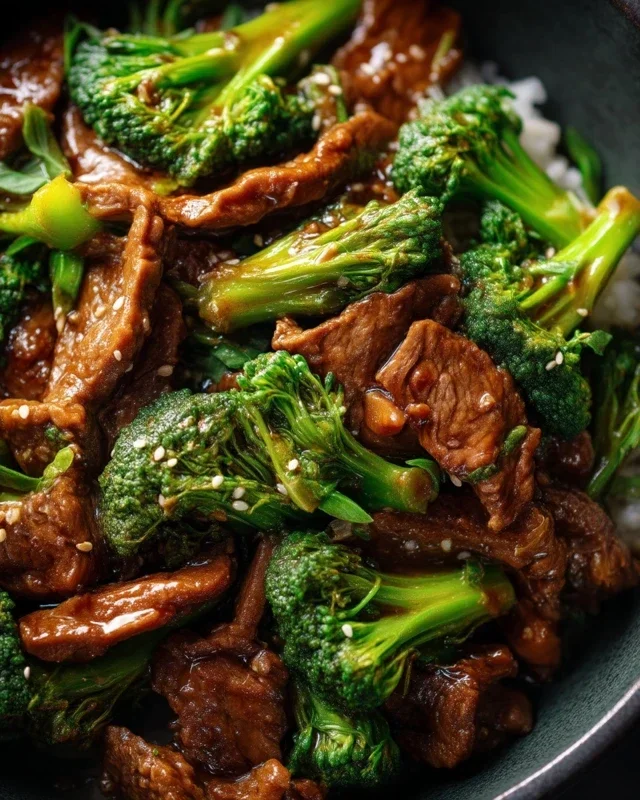
Chinese Beef and Broccoli (牛肉炒西兰花)
Ah, Chinese Beef and Broccoli. It’s a classic for a reason, isn’t it? That perfect balance of savory, tender beef, crisp-tender broccoli, and a luscious sauce that coats everything beautifully. It’s a dish that feels both comforting and sophisticated, and surprisingly, it’s something you can absolutely master in your own kitchen. Forget those takeout menus for a night; we’re making the real deal. This recipe focuses on achieving that authentic restaurant-style texture for both the beef and the broccoli, ensuring a truly satisfying meal. Let’s get started!
Ingredients:
Preparing the Beef: The Key to Tenderness
The secret to incredibly tender beef in Chinese stir-fries lies in a few key steps. First, it’s all about the cut of meat. Flank steak or skirt steak are excellent choices because they have good flavor and a texture that benefits greatly from thin slicing and marinating. When slicing, make sure to cut against the grain. You’ll see the lines of the muscle fibers; slice perpendicular to these lines. This breaks up those fibers, making the beef much more tender when you chew it. After slicing your pound of beef, place it in a medium bowl.
Now, for the marinade. We’re going to add 1 tablespoon of soy sauce to the beef. This starts to season it and adds a bit of moisture. Then comes 1 tablespoon of peanut oil (or your preferred vegetable oil). The oil helps to coat the beef and further tenderize it. The crucial ingredient for that velvety texture, often called “velveting” in Chinese cooking, is 1 tablespoon of cornstarch. Mix this in thoroughly, ensuring every piece of beef is coated. For an extra boost of tenderness, especially if your cut is a bit tougher, you can add 1/2 teaspoon of baking soda. This might sound unusual, but it’s a common technique in Chinese cooking. Be sure not to overdo it, as too much baking soda can impart an off-flavor. Let the beef marinate for at least 15-20 minutes at room temperature while you prepare the rest of your ingredients.
Crafting the Sauce: The Flavor Foundation
The sauce is where all the magic happens, bringin extractg together the savory, sweet, and slightly tangy elements that make this dish so irresistible. In a small bowl, whisk together 1/2 cup of chicken stock (or beef stock for a deeper flavor). Next, add 2 tablespoons of Shaoxing vinegar. This Chinese cooking vinegar adds a unique depth and subtle tang. If you don’t have Shaoxing vinegar, dry sherry vinegar vinegar is a good substitute. Now, for the primary seasoning: 2 tablespoons of soy sauce. To get that characteristic dark color and richer umami flavor, add 1 teaspoon of dark soy sauce. Don’t worry if you don’t have dark soy sauce; regular soy sauce will work, but the color won’t be as deep. Finally, a touch of sweetness is essential. Stir in 2 teaspoons of brown sugar (or white sugar). Whisk everything together until the sugar is dissolved. To thicken this beautiful sauce later, we’ll add another 1 tablespoon of cornstarch. Sprinkle it over the sauce mixture and whisk again. You want a smooth, lump-free mixture. Set this aside; it’s ready to go when your stir-fry is almost done.
Preparing the Broccoli and Aromatics
While the beef is marinating and the sauce is ready, let’s turn our attention to the vegetables. Wash and trim your head of broccoli. Cut it into bite-size florets, ensuring they’re relatively uniform in size so they cook evenly. You can also include some of the tender broccoli stems, peeled and sliced thinly. Next, mince 3 cloves of garlic and grate or mince 2 teaspoons of fresh gin extractger. These aromatics are the fragrant heart of many Asian stir-fries, and they’ll infuse the dish with wonderful flavor. Having all your ingredients prepped and ready to go is crucial for stir-frying, as the cooking process is very fast. This is often referred to as “mise en place” and it will make your cooking experience much smoother.
The Stir-Fry Process: High Heat, Quick Cooking
Now for the exciting part: the actual cooking. Heat 1 tablespoon of peanut oil (or vegetable oil) in a wok or a large, heavy-bottomed skillet over high heat. You want the pan to be very hot before you add anything. Once the oil is shimmering, add your marinated beef in a single layer. Don’t overcrowd the pan; if necessary, cook the beef in batches. Sear the beef for about 1-2 minutes per side until it’s browned and just cooked through. It will still be slightly pink in the center, which is perfectly fine as it will continue to cook in the sauce. Remove the beef from the pan and set it aside.
In the same hot pan, add another tablespoon of peanut oil if needed. Add your minced garlic and gin extractger. Stir-fry for about 30 seconds until fragrant, being careful not to burn them. Immediately add your broccoli florets to the pan. Stir-fry the broccoli for 2-3 minutes, tossing them constantly, until they start to turn bright green and are slightly tender-crisp. You want them to still have a good bite. If the pan seems dry, you can add a tablespoon or two of water to help steam the broccoli.
Once the broccoli is nearly cooked to your liking, give your prepared sauce a quick whisk to re-incorporate the cornstarch. Pour the sauce into the pan with the broccoli. Bring the sauce to a simmer, and it will start to thicken as it heats up. Once the sauce has thickened to your desired consistency, return the cooked beef to the pan. Toss everything together gently to coat the beef and broccoli evenly in the glossy sauce. Cook for another minute, just to heat the beef through. Serve immediately over steamed rice for a complete and delicious meal! Enjoy your homemade Chinese Beef and Broccoli!
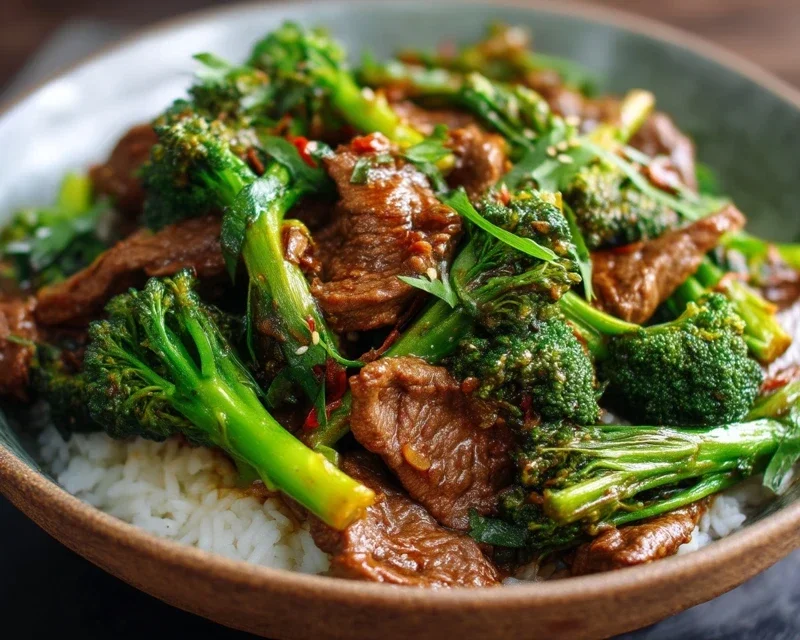
Conclusion:
So there you have it – your guide to making authentic and delicious Chinese Beef and Broccoli (牛肉炒西兰花) right in your own kitchen! This recipe truly shines because it balances tender, marinated beef with crisp, vibrant broccoli, all coated in a savory, umami-rich sauce that’s incredibly satisfying. It’s a weeknight wonder that’s surprisingly easy to achieve and delivers restaurant-quality flavor with minimal fuss. I hope you’re feeling inspired to give this fantastic dish a try!
For serving, the classic pairing is a steaming bowl of fluffy white rice, which is perfect for soaking up every last drop of that glorious sauce. However, don’t be afraid to get creative! You could serve it alongside some stir-fried noodles for a more substantial meal, or even as a protein-packed addition to a larger Asian-inspired feast. If you’re looking to switch things up, consider adding other vegetables like sliced carrots, bell peppers, or snow peas for extra color and texture. For a touch of heat, a pinch of red pepper flakes in the sauce or some sliced chilies can be a wonderful addition. Ultimately, this Chinese Beef and Broccoli recipe is incredibly forgiving and adaptable, so make it your own!
Frequently Asked Questions about Chinese Beef and Broccoli:
Q: What’s the best way to ensure the beef is tender?
A: The key to tender beef lies in two main factors: slicing the beef thinly against the grain and marinating it properly. The marinade not only adds flavor but also helps to break down the meat fibers, making it incredibly tender when cooked. A good marinade often includes soy sauce, cornstarch, and a little oil.
Q: Can I use a different vegetable instead of broccoli?
A: Absolutely! While broccoli is traditional and pairs beautifully, feel free to experiment. Other crisp-tender vegetables like green beans, asparagus, bok choy, or even cauliflower would work wonderfully. Just adjust the cooking time to ensure they reach your desired level of tenderness.
Chinese Beef and Broccoli (牛肉炒西兰花)
A classic Chinese stir-fry featuring tender beef and crisp broccoli in a savory sauce.
Ingredients
-
1 lb flank steak, skirt steak, or other cut
-
1 tablespoon soy sauce
-
1 tablespoon peanut oil
-
1 tablespoon cornstarch
-
1/2 teaspoon baking soda (Optional)
-
1/2 cup chicken stock
-
2 tablespoons Shaoxing vinegar
-
2 tablespoons soy sauce
-
1 teaspoon dark soy sauce
-
2 teaspoons brown sugar
-
1 tablespoon cornstarch
-
1 head broccoli, cut to bite-size florets
-
1 tablespoon peanut oil
-
3 garlic cloves, minced
-
2 teaspoons ginger, minced
Instructions
-
Step 1
Slice the beef thinly against the grain. In a bowl, combine the beef with 1 tablespoon soy sauce, 1 tablespoon peanut oil, 1 tablespoon cornstarch, and baking soda (if using). Marinate for at least 15 minutes. -
Step 2
In a separate small bowl, whisk together chicken stock, Shaoxing vinegar, 2 tablespoons soy sauce, dark soy sauce, and brown sugar. Set aside. -
Step 3
Blanch the broccoli florets in boiling water for 1-2 minutes until bright green and slightly tender. Drain and set aside. -
Step 4
Heat 1 tablespoon of peanut oil in a wok or large skillet over high heat. Add the marinated beef in a single layer and stir-fry until browned, about 2-3 minutes. Remove beef from the wok and set aside. -
Step 5
Add a little more oil to the wok if needed. Add minced garlic and ginger and stir-fry for about 30 seconds until fragrant. -
Step 6
Pour the sauce mixture into the wok and bring to a simmer. Stir in 1 tablespoon cornstarch to thicken the sauce. Return the beef and broccoli to the wok and toss to coat evenly in the sauce. Cook for another 1-2 minutes until heated through.
Important Information
Nutrition Facts (Per Serving)
It is important to consider this information as approximate and not to use it as definitive health advice.
Allergy Information
Please check ingredients for potential allergens and consult a health professional if in doubt.