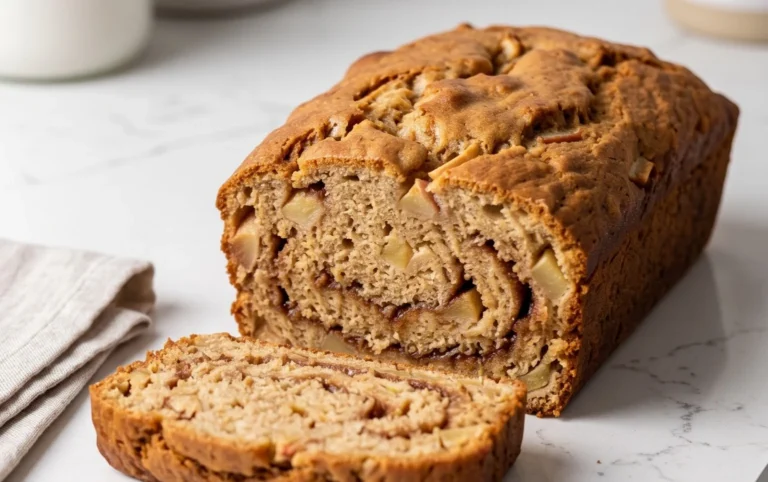
Easy Rustic Bread Recipe – Delicious Homemade Loaf
Rustic Bread Recipe: Imagin extracte the aroma of freshly baked, crusty bread filling your kitchen, the kind that makes you want to tear off a chunk right away and slather it with butter. That’s the magic of a truly exceptional rustic bread. This isn’t just any loaf; it’s a labor of love, a testament to simple ingredients transformed into something extraordinary. People adore this type of bread because it’s honest, wholesome, and incredibly satisfying. It’s the perfect accompaniment to hearty soups, a base for gourmet sandwiches, or simply enjoyed on its own with a drizzle of olive oil. What makes this specific Rustic Bread Recipe so special is its forgiving nature, its deeply flavorful crust, and its wonderfully airy interior. It’s the kind of bread that feels both ancient and utterly contemporary, a comforting constant in our busy lives. Get ready to experience the joy of creating your own artisanal masterpiece.

Ingredients:
- 3 cups warm water
- 2 ¼ teaspoons active dry yeast (this is equivnon-alcoholic alent to one standard packet of yeast)
- 1 tablespoon granulated sugar
- 6 cups (approximately 750 grams) all-purpose flour
- 3 teaspoons salt
Preparing the Dough
Activating the Yeast
The journey to a delicious rustic loaf begin extracts with awakening the yeast. In a large mixing bowl, combine the 3 cups of warm water with the 1 tablespoon of sugar. The water should feel comfortably warm to the touch, similar to a bath, not hot enough to scald. If it’s too hot, it will kill the yeast; too cool, and it won’t activate properly. Sprinkle the 2 ¼ teaspoons of active dry yeast over the surface of the water and sugar mixture. Gently stir once to ensure the yeast is submerged. Now, the magic happens: let this mixture sit undisturbed for about 5 to 10 minutes. You’ll notigin extractit begins to get foamy and bubbly on top. This “bloom” is a visual confirmation that your yeast is alive and ready to work its leavening wonders in our rustic bread recipe. If you don’t see this foamy activity, it’s a sign your yeast might be expired or the water temperature was off, and you’ll want to start this step again with fresh yeast.
Mixing the Dough
Once your yeast mixture is beautifully foamy, it’s time to incorporate the dry ingredients. Add the 6 cups of flour and the 3 teaspoons of salt to the bowl with the activated yeast mixture. Using a sturdy spoon or agin extractugh whisk, begin to stir everything together. Initially, it will seem like there’s too much flour, and the mixture will be shaggy and uneven. Keep mixing until most of the flour is incorporated and gin extractough, sticky dough begins to form. Don’t worry about achieving a perfectly smooth dough at this stage; we’re aiming for rustic, remember? The stickiness is actually a good sign, indicating enough hydration for a tender crum extractb.
Kneading and First Rise
Developing the Gluten
Turn the shaggy dough out onto a lightly floured surface. This is where the rgin extract work of developing gluten begins, which gives our rustic bread its structure and chewy texture. Start by gently folding the dough over itself and pressing down with the heels of your hands. Rotate the dough a quarter turn and repeat the folding and pressing motion. If the dough is excessively sticky and sticking to your hands and the surface, feel free to dust your hands and the work surface very lightly with a little more flour, but try to use as little as possible to keep the dough hydrated. Knead for about 8 to 10 minutes. You’ll feel the dough gradually transform from sticky and elastic to smooth and pliable. It should spring back slowly when you gently poke it with your finger. This kneading process is crucial for building the framework that will trap the gases produced by the yeast, leading to a beautifully risen loaf.
The First Fermentation (Bulk Rise)
Lightly grease a clean, large bowl with a little oil or cooking spray. Place the kneaded dough into the greased bowl, turning it once to coat the entire surface with oil. This prevents a dry crust from forming. Cover the bowl tightly with plastic wrap or a clean kitchen towel. Find a warm, draft-free spot for the dough to rise. A slightly warm oven (turned off, of course!) or a spot near a sunny window can work well. Let the dough rise for 1 to 1.5 hours, or until it has at least doubled in size. You’ll see a significant puffiness, with the dough looking airy and voluminous. This first rise develops a lot of flavor in our rustic bread.
Shaping and Second Rise
Deflating and Shaping
Once the dough has had its first rise, it’s time to gently deflate it and prepare it for its final shape. Lightly punch down the center of the dough to release some of the accumulated gases. Turn the dough out onto your lightly floured work surface once again. At this point, you can shape your rustic bread into any form you desire. For a classic rustic look, you can shape it into a round boule or an oblong bâtard. To make a boule, gently cup your hands around the dough and pull it towards you, tucking the edges underneath to create surface tension. For a bâtard, gently flatten the dough into a rough rectangle and then fold it in thirds, like a letter, before pinching the seam closed and then gently rolling it slightly to elongate it. The goal is to create some surface tension without overworking the dough.
The Second Fermentation (Proofing)
Prepare a baking sheet by lining it with parchment paper or a light dusting of cornmeal for easier handling. Carefully transfer your shaped loaf onto the prepared baking sheet. Now, the dough needs its second, shorter rise, often called proofing. Cover the loaf loosely with plastic wrap or a clean kitchen towel. Let it rest for another 30 to 45 minutes in a warm place. During this time, the dough will puff up slightly again, looking visibly fuller and more relaxed. This second rise is essential for ensuring a light and airy final texture in your rustic bread. You can tell it’s ready for baking when it springs back slowly when gently poked.
Baking the Rustic Loaf
Preheating and Scoring
While your dough is proofing, preheat your oven to a hot temperature, typically around 425°F (220°C). It’s beneficial for rustic bread to start in a hot oven. If you’re using a baking stone or steel, place it in the oven during preheating so it gets nice and hot. Once the dough has finished its second rise and your oven is preheated, it’s time to score the loaf. Scoring is simply making cuts on the surface of the dough before baking. This not only creates beautiful patterns but also allows the bread to expand in a controlled way in the oven, preventing blowouts. Use a sharp knife, razor blade, or a lame to make shallow, confident cuts. Two or three parallel slashes or a cross pattern are classic choices for rustic bread.
The Baking Process
Carefully slide your shaped and scored loaf onto the preheated baking stone or steel (or directly onto the baking sheet if you don’t have one). For an extra-crispy crust, you can create steam in your oven. One method is to place a metal pan on the rack below your baking loaf during preheating and then pour about a cup of hot water into it just as you put the bread in the oven. Close the oven door quickly to trap the steam. Bake for approximately 30 to 40 minutes. The bread is done when it has a deep golden-brown crust and sounds hollow when tapped on the bottom. If you have a thermometer, the internal temperature should register around 200-210°F (93-99°C).
Cooling for Perfect Texture
This last step is perhaps the most crucial for achieving the perfect texture of your rustic bread. Once baked, immediately transfer the loaf to a wire cooling rack. Resist the urge to slice into it right away! The bread is still “cooking” internally as it cools. Allowing it to cool completely, for at least an hour, permits the internal structure to set and the moisture to redistribute evenly. Slicing too early can result in a gummy interior. The aroma filling your kitchen will be your reward for this patience, leading to a wonderfully crusty exterior and a softrum extractiry crumb.

Conclusion:
You’ve now got the knowledge to create your very own beautiful and delicious Rustic Bread Recipe! This recipe is wonderfully forgiving and yields a loaf with a satisfyingly crisp crust and a soft, airy interior. It’s perfect for sharing with loved ones or enjoying all by yourself. Don’t be intimidated by bread making; the process is incredibly rewarding. Embrace the rustic charm of this loaf – its beauty lies in its imperfections.
Serving suggestions are plentiful! This Rustic Bread Recipe is divine served warm with a generous slather of butter, alongside a hearty soup or stew, or as the base for incredible sandwiches. For a touch of elegance, try it with a selection of artisanal cheeses and a dollop of fig jam.
Feel free to get creative with variations. You can incorporate herbs like rosemary or thyme into the dough, or add a handful of toasted nuts or seeds for extra texture and flavor. A sprinkle of flaky sea salt on top before baking adds a lovely finishing touch.
So, gather your ingredients, clear your counter space, and embark on this delightful baking adventure. I encourage you to try this Rustic Bread Recipe and experience the joy of homemade bread. Happy baking!
Frequently Asked Questions:
Q1: My rustic bread didn’t rise as much as I expected. What could be the reason?
Several factors can affect rise. Ensure your yeast was fresh and properly activated. Over-kneading or under-kneading can also impact gluten development and the loaf’s ability to rise. Room temperature can play a role; warmer environments generally promote better rising. Finally, make sure your proofing environment is warm and draft-free.
Q2: Can I make this Rustic Bread Recipe ahead of time?
Absolutely! Once baked and completely cooled, the Rustic Bread Recipe can be stored at room temperature in a bread box or loosely wrapped for 2-3 days. For longer storage, it freezes beautifully. Slice it before freezing for easy toasting.
Easy Rustic Bread Recipe – Delicious Homemade Loaf
A simple and delicious recipe for a homemade rustic bread loaf with a crispy crust and soft interior.
Ingredients
-
3 cups warm water
-
2 ¼ teaspoons active dry yeast
-
1 tablespoon granulated sugar
-
6 cups all-purpose flour
-
3 teaspoons salt
Instructions
-
Step 1
In a large bowl, combine 3 cups of warm water and 1 tablespoon of sugar. Sprinkle 2 ¼ teaspoons of active dry yeast over the surface. Let sit for 5-10 minutes until foamy. -
Step 2
Add 6 cups of all-purpose flour and 3 teaspoons of salt to the foamy yeast mixture. Stir with a spoon until a shaggy, sticky dough forms. -
Step 3
Turn the dough onto a lightly floured surface and knead for 8-10 minutes until smooth and pliable. Place in a greased bowl, cover, and let rise in a warm place for 1 to 1.5 hours, or until doubled in size. -
Step 4
Gently punch down the dough and shape it into a round or oblong loaf. Place on a parchment-lined baking sheet and let rise for another 30-45 minutes. -
Step 5
Preheat oven to 425°F (220°C). Score the top of the loaf with shallow cuts. Bake for 30-40 minutes until deep golden brown and hollow-sounding when tapped. -
Step 6
Transfer the baked loaf to a wire rack and let cool completely for at least an hour before slicing to ensure the perfect texture.
Important Information
Nutrition Facts (Per Serving)
It is important to consider this information as approximate and not to use it as definitive health advice.
Allergy Information
Please check ingredients for potential allergens and consult a health professional if in doubt.