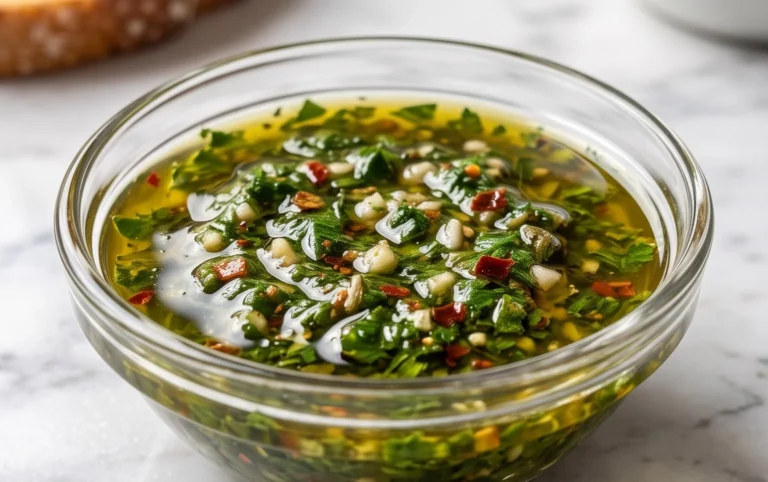
Easy Chimichurri Sauce – Fresh Flavor Boost
Chimichurri sauce is a vibrant, herbaceous condiment that has captured hearts and taste buds worldwide. It’s the secret weapon for transforming grilled meats, roasted vegetables, and even simple bread into something truly extraordinary. What is it about this emerald-green marvel that makes it so utterly irresistible? It’s the perfect harmony of fresh, zesty herbs, a kick of garlic, and a bright tang from vinegar and olive oil. Unlike heavily processed sauces, chimichurri bursts with natural, unadulterated flavor, making every bite a refreshing revelation. It’s incredibly versatile, adding a punch of brightness and a touch of the exotic to any meal. Prepare to discover your new favorite kitchen staple with this easy-to-make chimichurri sauce!
Why You’ll Love This Recipe:
The Ultimate Flavor Booster
This isn’t just any sauce; it’s a culinary experience. The vibrant green hue hints at the freshness within, and the aroma alone is enough to make your mouth water. Whether you’re a seasoned griller or just looking to elevate your weeknight dinners, this chimichurri sauce is your golden ticket to deliciousness. It’s a crowd-pleaser that’s surprisingly simple to whip up, proving that gourmet flavors don’t require complicated techniques.
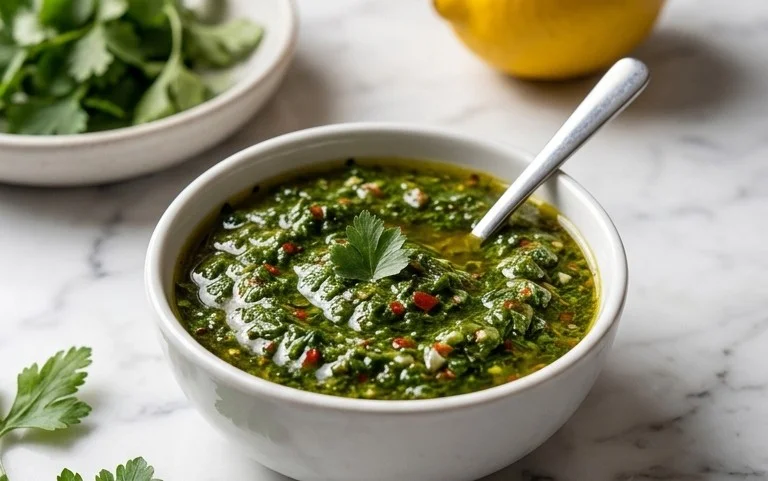
The Ultimate Chimichurri Sauce: A Burst of Freshness for Everything
There are some sauces that elevate a simple meal into a culinary masterpiece. Chimichurri is one of them. Hailing from Argentina and Uruguay, this vibrant green sauce is a revelation of fresh herbs, pungent garlic, and a zesty tang that cuts through the richness of grilled meats, roasted vegetables, and even your morning eggs. Forget store-bought; making your own chimichurri is incredibly easy and the flavor is unparalleled. It’s a pantry staple I find myself reaching for again and again, and once you try it, you’ll understand why.
This recipe is my go-to, a balanced blend that’s both herbaceous and bright. The beauty of chimichurri is its versatility. While it’s traditionally served with grilled steak, I’ve used it to liven up grilled chicken, fish, beef, roasted potatoes, and even as a dressing for salads. It’s a flavor explosion that adds a delightful freshness without overpowering the star of your dish. So, let’s get our hands dirty (figuratively, of course!) and whip up this incredible sauce.
Ingredients:
Crafting Your Chimichurri: Step-by-Step
The process of making chimichurri is wonderfully straightforward, relying on fresh ingredients and a bit of chopping or pulsing. The goal is to achieve a texture that’s somewhere between finely chopped and a paste, allowing all those wonderful flavors to meld together beautifully.
1. Prepare Your Herbs: This is where the magic begin extracts. Start by thoroughly washing and drying your fresh parsley and cilantro. It’s crucial they are dry; excess water will dilute the flavor and can affect the sauce’s shelf life. For the parsley, you’ll want to remove the thicker stems, leaving mostly the leafy parts. You can either finely chop these herbs by hand or pulse them in a food processor. If you’re going the chopping route, aim for a very fine mince. This will take a little patience, but the resulting texture is wonderfully rustic. If using a food processor, be careful not to over-process; you don’t want a complete puree, but rather finely chopped pieces.
2. Mince the Aromatics: Next, we tackle the red onion and garlic. Peel your garlic cloves. If you’re using a quarter of a small red onion, dice it very finely. If you’re opting for a shallot, which offers a milder, sweeter onion flavor, mince that as well. For the garlic, finely mince it or press it through a garlic press. Again, consistency is key here. If you’re using a food processor for your herbs, you can add the onion and garlic to it and pulse until finely chopped, but keep an eye on it to avoid turning it into a paste. A hand-mincing approach gives you more control over the texture.
3. Combine the Dry and Wet Ingredients: In a medium bowl, combine your finely chopped parsley, cilantro, oregano (if using fresh, mince it finely as well), red onion or shallot, and minced garlic. Add the red grape juice vinegar, fresh lemon juice, salt, and red pepper flakes (if you’re using them). Stir everything together well. This initial mix allows the vinegar and lemon juice to start drawing out some of the pungent flavors from the garlic and onion, and begin extract to tenderize the herbs. The salt will also start to draw out moisture and dissolve.
4. Emulsify with Olive Oil: Now it’s time to add the olive oil. This is what brings the chimichurri together into a cohesive sauce. Slowly drizzle in the 3/4 cup of olive oil while stirring continuously. If you’re using a food processor, you can stream in the olive oil through the feed tube while the machine is running, but again, be careful not to over-process. You’re aiming for a beautifully emulsified sauce with a slightly thick, yet pourable consistency. The oil will coat the herbs and aromatics, creating a wonderfully smooth and rich texture. Taste your chimichurri at this stage and adjust the salt and red pepper flakes as needed. This is your chance to personalize it! You might find you prefer a little more tang, so add another splash of vinegar or lemon juice.
5. Rest and Marry the Flavors: This step is crucial for achieving the best flavor. Once you’ve made your chimichurri, cover the bowl tightly or transfer it to an airtight container. Let it sit at room temperature for at least 30 minutes, or ideally, refrigerate it for a couple of hours. This resting period allows all the vibrant flavors to meld and develop. The herbs will soften further, and the garlic and onion flavors will become more rounded and integrated. If you plan to serve it immediately, you can skip the resting period, but the flavor will be significantly better if you allow it some time to rest.
Your homemade chimichurri sauce is now ready to be enjoyed! It’s best served at room temperature to fully appreciate its fresh, herbaceous notes. This sauce is incredibly forgiving, so feel free to adjust the ingredients to your personal preference. Some people love a spicier kick, so don’t hesitate to add more red pepper flakes. Others prefer a more garlicky punch, in which case, feel free to add an extra clove or two. The quality of your olive oil will also make a difference; a good extra virgin extract olive oil will impart a lovely peppery note.
Store any leftover chimichurri in an airtight container in the refrigerator for up to a week. The flavors will continue to deepen over time, making it even more delicious. Enjoy this versatile and flavorful sauce on everything from steak to grilled vegetables!
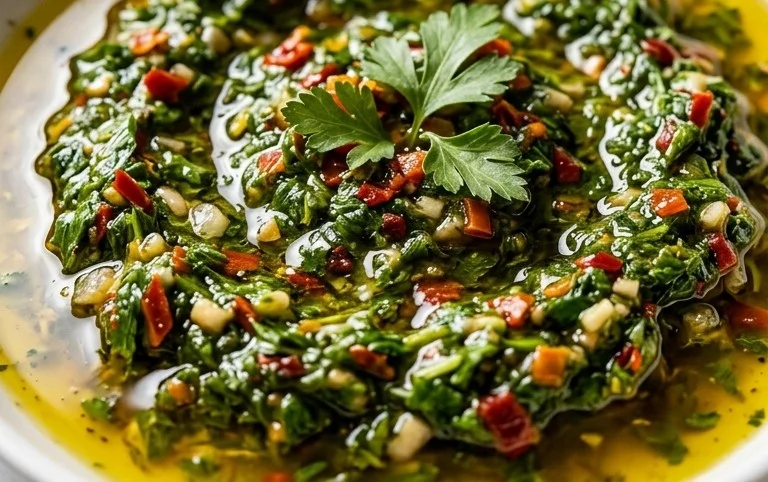
Conclusion:
I hope you’re as excited as I am about this vibrant and versatile chimichurri sauce recipe! It’s incredibly simple to whip up, bursting with fresh herbs and zesty flavors that elevate everything it touches. From grilled meats to roasted vegetables and even as a dip for bread, this sauce is a game-changer for any meal. Its bright, herbaceous profile adds a refreshing punch that cuts through richness and awakens the palate.
Don’t be afraid to experiment! While the classic recipe is phenomenal, feel free to adjust the herb ratios to your liking, add a pinch of red pepper flakes for a touch of heat, or even throw in a bit of lemon zest for an extra citrusy kick. The possibilities are truly endless. So go ahead, gather your fresh ingredients, and give this delicious chimichurri sauce a try. I promise you won’t be disappointed!
Frequently Asked Questions about Chimichurri Sauce:
Can I make chimichurri sauce ahead of time?
Absolutely! Chimichurri sauce actually benefits from a little resting time. Making it a few hours or even a day in advance allows the flavors to meld beautifully. Store it in an airtight container in the refrigerator.
How long does chimichurri sauce last?
When stored properly in an airtight container in the refrigerator, this chimichurri sauce will keep for up to a week. The fresh herbs will remain vibrant, and the flavors will continue to develop.
Can I freeze chimichurri sauce?
While it’s best enjoyed fresh, you can freeze chimichurri sauce. However, the texture of the herbs might change slightly upon thawing. It’s a good option if you want to preserve a larger batch for later, but for the best flavor and texture, I recommend refrigerating it and using it within a week.
Chimichurri Sauce
A vibrant and herbaceous Argentinian sauce perfect for grilled meats and vegetables. This version uses red grape juice vinegar for a non-alcoholic alternative.
Ingredients
-
1 1/2 cups well packed (42g) fresh parsley
-
1/2 cup well packed (20g) fresh cilantro
-
1/4 cup (9g) fresh oregano
-
1/4 small red onion
-
3 garlic cloves
-
3 Tbsp red grape juice vinegar
-
2 Tbsp fresh lemon juice
-
1/2 tsp salt
-
1/4 tsp red pepper flakes
-
3/4 cup olive oil
Instructions
-
Step 1
Finely chop the fresh parsley, cilantro, and fresh oregano. If using dried oregano, add it in the next step. -
Step 2
Finely mince the red onion (or shallot) and garlic cloves. -
Step 3
In a medium bowl, combine the chopped herbs, minced onion, minced garlic, red grape juice vinegar, fresh lemon juice, salt, and red pepper flakes (if using). -
Step 4
Whisk the ingredients together until well combined. -
Step 5
Slowly drizzle in the olive oil while whisking continuously until the sauce is emulsified and has a vibrant green color. -
Step 6
Taste and adjust salt or red pepper flakes as needed. For best flavor, let the chimichurri sit for at least 15 minutes before serving to allow the flavors to meld.
Important Information
Nutrition Facts (Per Serving)
It is important to consider this information as approximate and not to use it as definitive health advice.
Allergy Information
Please check ingredients for potential allergens and consult a health professional if in doubt.