Easy Miso Soup Recipe- Quick & Delicious
Miso Soup Recipe: The comforting embrace of a steaming bowl of miso soup is an experience many of us cherish. It’s more than just a starter; it’s a warm hug in liquid form, a cornerstone of Japanese cuisine that transcends mere sustenance. But why does this seemingly simple broth hold such a special place in our hearts and on our tables? It’s the unparalleled umami explosion, that deep, savory flavor that awakens the palate and satisfies on a profound level. The magic lies in the fermented soybean paste itself, the miso, offering a complex dance of salty, sweet, and earthy notes. Whether you’re a seasoned Japanese food enthusiast or new to its delights, mastering a delicious Miso Soup Recipe at home is incredibly rewarding. We’re about to unlock the secrets to creating this soul-soothing dish, turning humble ingredients into something truly extraordinary.
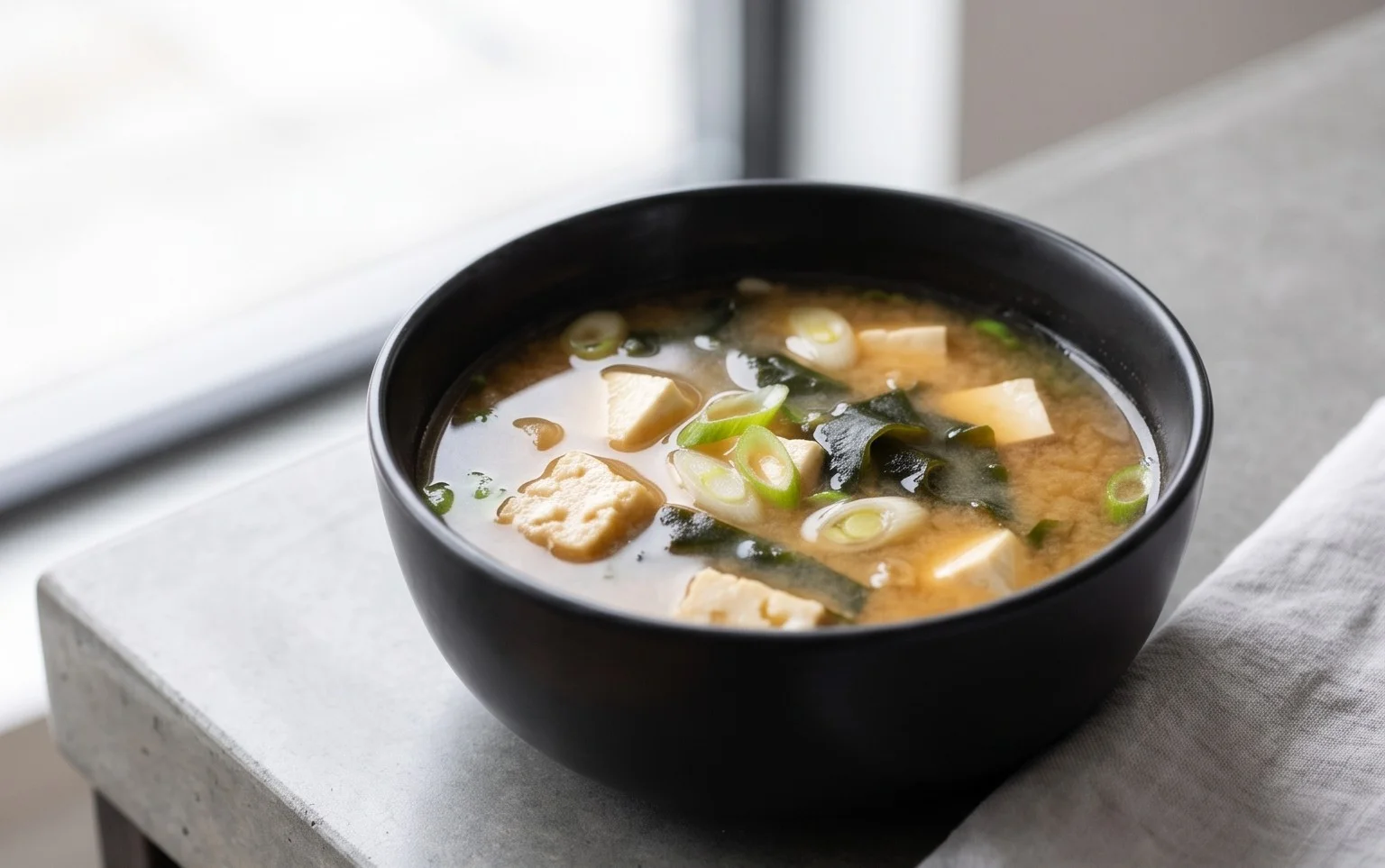
Miso Soup Recipe
There’s something incredibly comforting and deeply satisfying about a warm bowl of miso soup. It’s a staple in Japanese cuisine for a reason – it’s deceptively simple yet packed with umami flavor and a beautiful balance of savory and slightly sweet notes. This recipe is my go-to for a quick, authentic, and incredibly delicious miso soup that I can whip up any time I’m craving a taste of home. It’s perfect as a light appetizer, a side dish to your favorite Japanese meal, or even as a comforting solo meal. Forget the instant packets; making it from scratch is a game-changer, and I’m going to walk you through it step-by-step.
Ingredients:
Let’s Get Cooking!
This recipe focuses on the fundamental components of a classic miso soup. The beauty of miso soup is its versatility; once you’ve mastered this basic version, you can start experimenting with other additions like mushrooms, clams, or thinly sliced vegetables. But for now, let’s stick to this perfectly balanced trio: dashi, tofu, and miso.
Step 1: Preparing the Dashi Base
Our foundation for this flavorful soup is the dashi. Dashi is a Japanese soup stock that forms the backbone of many Japanese dishes, and its subtle, oceanic flavor is crucial for authentic miso soup. You can find instant dashi granules at most Asian grocery stores, which is a convenient option. If you’re feeling ambitious, you can also make dashi from scratch using kombu (dried kelp) and katsuobushi (bonito flakes), but for this recipe, we’ll assume you’re using a good quality instant dashi.
In a medium saucepan, combine the 2½ cups of dashi. Heat this over medium heat. We don’t want it to boil vigorously, just to come to a gentle simmer. This is important because dashi can become bitter if boiled for too long. Keep an eye on it and reduce the heat slightly once you see small bubbles forming around the edges.
Step 2: Rehydrating the Seaweed
While the dashi is warming up, let’s prepare our dried seaweed. The dried seaweed, often wakame, will add a lovely texture and a subtle briny flavor to the soup. You only need a small amount, as it expands significantly when rehydrated.
Take your 1 heaping tablespoon of dried seaweed and place it in a small bowl. Pour a little bit of warm water over it, just enough to cover. Let it sit for about 5-7 minutes, or until it becomes soft and pliable. You’ll see it plump up considerably. Once it’s rehydrated, drain any excess water. You can gently squeeze out any remaining liquid if you like, but be careful not to be too rough. This step ensures the seaweed is tender and pleasant to eat in the soup.
Step 3: Adding the Tofu
Now it’s time to introduce our silken tofu. Silken tofu is perfect for miso soup because of its delicate, melt-in-your-mouth texture. It absorbs the flavors of the broth beautifully without breaking apart too easily.
Gently add the 4 oz of silken tofu, which you’ve already cut into small, bite-sized pieces, into the simmering dashi. Try to add the pieces gently so they don’t all clump together. Allow the tofu to heat through in the dashi for a couple of minutes. It doesn’t need to cook, just warm up. This will also help it absorb some of the dashi’s subtle flavor.
Step 4: Dissolving the Miso Paste
This is arguably the most crucial step in making miso soup. Miso paste is a fermented soybean paste, and different types will yield slightly different flavors. Common varieties include white miso (shiro miso), which is mild and slightly sweet, and red miso (aka miso), which is more robust and salty. You can even use a blend. For this recipe, I recommend starting with 2 tablespoons and adjusting to your preference.
You don’t want to boil miso paste directly, as this can diminish its flavor and beneficial enzymes. Instead, it’s best to temper it. Ladle a small amount of the warm dashi (about half a cup) into a separate small bowl. Add the miso paste to this bowl. Using a whisk or a fork, gently stir the miso paste into the warm dashi until it’s completely dissolved and smooth. This creates a miso slurry. This method ensures the miso is evenly distributed throughout the soup without clumps.
Step 5: Combining and Finishing the Soup
Once your miso is nicely dissolved in the small bowl, it’s time to bring everything together.
Gently pour the miso slurry back into the saucepan with the rest of the dashi and tofu. Stir gently to combine everything. Now, let the soup heat through for another minute or two, but again, do not let it come to a rolling boil. You want it to be hot, but not boiling vigorously. This is when the flavors meld and the soup becomes truly harmonious. At this stage, you can taste the soup and add more miso paste if you desire a stronger flavor. Add the rehydrated seaweed to the pot as well. Stir it in gently.
Step 6: Serving Your Delicious Miso Soup
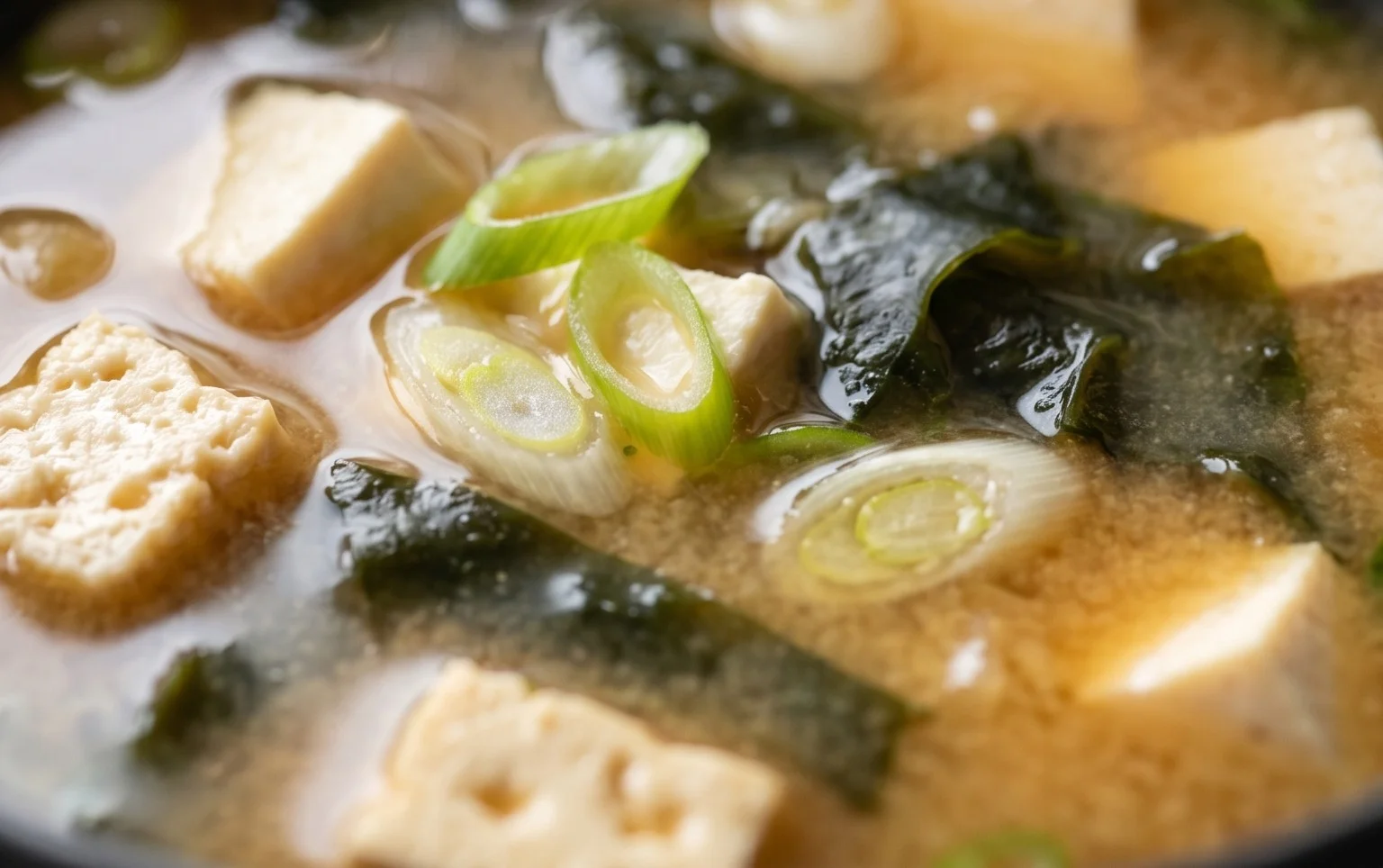
The final touch is the scallions. After the soup has heated through and the flavors have had a moment to mingle, ladle the hot miso soup into individual serving bowls. Garnish each bowl with the chopped scallions. The fresh, sharp bite of the scallions provides a wonderful contrast to the savory, comforting soup. Serve immediately and enjoy the simple elegance of this classic Japanese dish. It’s a perfect way to start a meal or enjoy a moment of calm.
Conclusion:
There you have it – a simple yet incredibly rewarding Miso Soup Recipe that’s perfect for any occasion. This recipe is fantastic because it’s incredibly quick to prepare, making it ideal for a speedy weeknight meal or a comforting start to any dinner. The depth of umami flavor from the miso paste, combined with the delicate texture of tofu and the subtle sweetness of the seaweed, creates a truly satisfying experience. It’s the kind of dish that warms you from the inside out.
I love serving this miso soup as a light appetizer before a more substantial meal, or even as a light lunch on its own, perhaps with a side of rice or some grilled fish. For variations, don’t hesitate to experiment! You can add sliced mushrooms like shiitake or enoki, some thinly sliced scallions for extra freshness, or even a splash of soy sauce if you prefer a saltier profile. Some people enjoy adding a poached egg for extra protein. The possibilities are truly endless, allowing you to tailor it to your personal taste preferences. I wholeheartedly encourage you to give this recipe a try; I’m confident you’ll be delighted by its simplicity and incredible flavor.
Frequently Asked Questions:
What kind of miso paste should I use?
For this recipe, white miso (shiro miso) is a great choice as it has a milder, slightly sweeter flavor that is very approachable. However, red miso (aka miso) offers a deeper, more robust umami taste if you prefer something bolder. You can also use a blend of both!
Can I make miso soup ahead of time?
It’s best to prepare miso soup fresh, as prolonged heating can diminish the delicate flavor and beneficial properties of the miso paste. You can, however, prepare the dashi broth and chop your ingredients in advance to speed up the cooking process significantly.
Miso Soup Recipe
A simple and authentic Japanese miso soup recipe.
Ingredients
-
2½ cups Dashi
-
1 heaping tablespoon dried seaweed
-
4 oz silken tofu (cut into small pieces)
-
2-2½ tablespoons miso paste (or to taste)
-
1 tablespoon scallion (chopped)
Instructions
-
Step 1
Gently heat the Dashi in a saucepan over medium heat. Do not boil. -
Step 2
Add the dried seaweed to the Dashi and let it rehydrate for a few minutes. -
Step 3
Once the seaweed is rehydrated, reduce the heat to low. -
Step 4
In a small bowl, whisk the miso paste with a ladleful of the warm Dashi until smooth. This prevents clumping. -
Step 5
Stir the dissolved miso paste back into the saucepan. -
Step 6
Add the silken tofu pieces and gently heat through, but do not boil. -
Step 7
Ladle the soup into bowls and garnish with chopped scallions.
Important Information
Nutrition Facts (Per Serving)
It is important to consider this information as approximate and not to use it as definitive health advice.
Allergy Information
Please check ingredients for potential allergens and consult a health professional if in doubt.