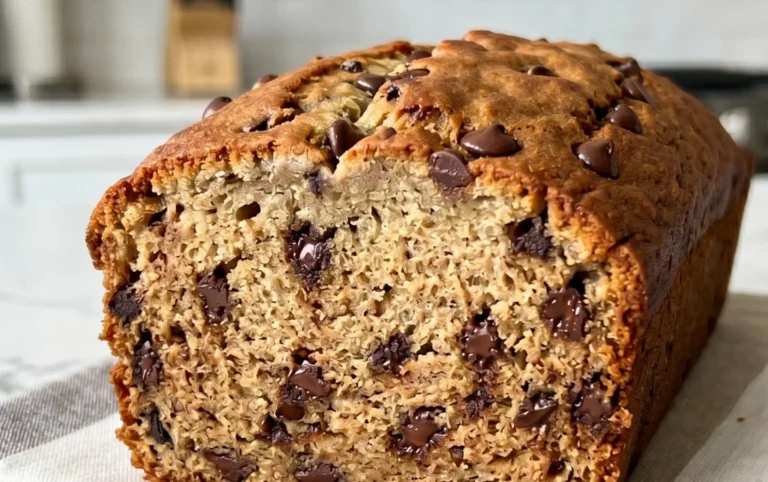
Fluffy Sandwich Bread Recipe – Easy Soft Homemade Bread
Soft and Fluffy Sandwich Bread is more than just a recipe; it’s an invitation to rediscover the simple joy of homemade goodness. Imagin extracte slicing into a loaf so tender it practically sighs, its cloud-like texture promising the perfect foundation for all your favorite sandwiches. We all have those childhood memories of mom’s kitchen, filled with the non-intoxicating aroma of freshly baked bread, and this recipe aims to capture that pure, unadulterated comfort. What makes this particular Soft and Fluffy Sandwich Bread so beloved? It’s the perfect balance of ingredients that ensures an incredibly light crum extractb, a slightly crisp crust, and a flavor that’s subtly sweet and utterly irresistible. Whether you’re packing lunches, preparing a weekend brunch, or simply craving a taste of home, this recipe will become your go-to for a consistently delicious result that will have everyone asking for seconds. Get ready to elevate your sandwich game and create memories that smell as good as they taste.

Ingredients:
- 2 1/4 teaspoons active dry yeast
- 2 tablespoons honey (or granulated sugar)
- 1/4 cup warm water (about 105-115°F or 40-46°C)
- 1 1/2 teaspoons salt
- 5 tablespoons unsalted butter, softened
- 1 large egg, at room temperature
- 6 cups all-purpose flour, plus more for dusting
- 2 cups milk, at room temperature
Preparing the Dough
Activating the Yeast
In a small bowl or the bowl of your stand mixer, combine the warm water and the honey (or sugar). Sprinkle the active dry yeast over the top. Let this mixture sit undisturbed for about 5 to 10 minutes. You’ll know the yeast is active and ready when it becomes foamy and bubbly. This indicates that the yeast is alive and will do its job of making our bread rise. If it doesn’t foam, your yeast may be old, or the water wasn’t the right temperature, and you’ll need to start this step again with fresh yeast and correctly warmed water.
Mixing the Wet Ingredients
Once your yeast mixture is active, add the softened butter, egg, and milk to the bowl. If you’re using a stand mixer, attach the dough hook. If you’re mixing by hand, you’ll use a large mixing bowl. Whisk or stir these wet ingredients gently to combine them. The butter should be soft enough to yield to gentle pressure but not melted. This is important for achieving a tender crum extractb in your finished bread. Ensure your egg and milk are at room temperature, as this helps everything emulsify smoothly and aids in consistent yeast activity.
Incorporating the Flour and Salt
Now it’s time to add the dry ingredients. Add the salt to the wet mixture and give it a quick stir. Then, gradually add the flour, about one cup at a time, mixing after each addition. If using a stand mixer, start on a low speed. As the dough starts to come together, you can increase the speed slightly. If mixing by hand, stir with a sturdy spoon or spatula until the dough becomes too stiff to mix easily. At this point, the dough will look shaggy and may still have some dry bits of flour clingin extractg to the sides of the bowl.
Kneading the Dough
Kneading by Hand
Once the dough has formed a cohesive mass, turn it out onto a lightly floured surgin extracte. Begin kneading. This is a crucial step for developing the gluten in the flour, which gives bread its structure and chewy texture. Push the dough away from you with the heels of your hands, then fold it back over itself. Rotate the dough a quarter turn and repeat. Continue this process for about 8 to 10 minutes. The dough should become smooth, elastic, and less sticky. It will spring back slowly when you gently poke it. If the dough becomes too sticky, add just a tablespoon of flour at a time, but be careful not to add too much, as this can result in a dry loaf.
Kneading with a Stand Mixer
If you’re using a stand mixer, continue mixing on a medium-low speed with the dough hook for about 6 to 8 minutes. The dough should pull away from the sides of the bowl and become smooth and elastic. You can test for proper gluten development by gently stretching a small piece of dough. It should form a thin, translucent membrane (the “windowpane test”) without tearing easily. If the dough is still verygin extracticky and clinging excessively to the hook, you can add a tablespoon of flour at a time, but do so sparingly.
First Rise
The Initial Proof
Lightly grease a large clean bowl with a little bit of oil or cooking spray. Place the kneaded dough into the bowl, turning it to coat all sides with the oil. Cover the bowl tightly with plastic wrap or a clean kitchen towel. Place the bowl in a warm, draft-free place to rise. This could be a slightly warmed oven (turned off, of course!), on top of your refrigerator, or simply on your counter if your kitchen is warm enough. Allow the dough to rise until it has doubled in size, which typically takes about 1 to 1.5 hours, depending on the temperature of your environment. The dough should feel light and airy when gently pressed.
Shaping and Second Rise
Punching Down and Shaping
Once the dough has doubled, gently punch it down to release the air. Turn the dough out onto a lightly floured surface. For a standard sandwich loaf, shape the dough into an oblong rectangle. You can do this by gently flattening it and then folding the sides in towards the center, pressing to seal. Then, starting from one end, tightly roll up the dough like a jelly roll. Pinch the seam closed and tuck the ends under. This rolling technique helps create a good structure for even slicing later.
The Second Proofing
Lightly grease two 9×5 inch loaf pans. Place one shaped loaf into each prepared pan, seam-side down. Cover the pans loosely with plastic wrap or a clean kitchen towel. Let the loaves rise again in a warm, draft-free place for another 45 minutes to 1 hour, or until they have risen about 1 inch above the rim of the pans. This second rise is essential for that signature soft and fluffy texture. Ensure the dough doesn’t over-proof, which can lead to a rum extractrse crumb or a loaf that collapses.
Baking the Bread
Preheating and Baking
Preheat your oven to 375°F (190°C) during the last 15-20 minutes of the second rise. Once the loaves have risen sufficiently, place the loaf pans on a baking sheet (this helps catch any potential drips and makes transferring easier). Bake for 30 to 35 minutes, or until the crust is a beautiful golden brown. If you tap the bottom of the loaf, it should sound hollow. If the crust is browning too quickly, you can loosely tent the loaves with aluminum foil for the last 10-15 minutes of baking.
Cooling the Loaves
This is a very important step that many bakers skip! As soon as the loaves come out of the oven, carefully remove them from the pans and place them on a wire cooling rack. This allows air to circulate around the entire loaf, preventing the bottom crust from becoming soggy. Let the bread cool completely before slicing. Trying to slice warm bread can result in a gummy texture and can even cause the loaf to crush. Patience here will be rewarded with perfectly soft and fluffy sandwich bread!

Conclusion:
There you have it – the simple yet incredibly rewarding journey to creating your own batch of Soft and Fluffy Sandwich Bread! This recipe is a cornerstone for any home baker, yielding a loaf that’s both beautifully tender and perfectly suited for all your sandwich needs. The magic lies in the quality ingredients and the gentle handling, ensuring that delightful lightness and airy texture we all crave in homemade bread. Feel free to experiment with adding a touch of honey for a subtle sweetness or a sprinkle of herbs for a savory twist. This bread is fantastic served warm with a smear of butter, or of course, piled high with your favorite deli fillings. Don’t be discouraged if your first loaf isn’t absolutely perfect; the joy of baking is in the practice and the delicious results you achieve along the way. Happy baking!
Frequently Asked Questions about Soft and Fluffy Sandwich Bread:
Q: My bread is a little dense. What could I have done wrong?
A: A common reason for dense bread is overworking the dough or not allowing it to rise sufficiently. Ensure you’re kneading until the dough is smooth and elastic, and importantly, that it doubles in size during both rises. Over-measuring flour can also contribute to a denser loaf; try spooning flour into your measuring cup and leveling it off, rather than scooping directly from the bag.
Q: Can I freeze the Soft and Fluffy Sandwich Bread?
A: Absolutely! Once the loaf has cooled completely, you can wrap it tightly in plastic wrap followed by a layer of aluminum foil, or place it in a freezer-safe bag. It will keep well in the freezer for up to 3 months. Thaw at room temperature before slicing and enjoying.
Fluffy Sandwich Bread Recipe
An easy recipe for soft, homemade sandwich bread that’s perfect for everyday use.
Ingredients
-
2 1/4 teaspoons active dry yeast
-
2 tablespoons honey
-
1/4 cup warm water
-
1 1/2 teaspoons salt
-
5 tablespoons unsalted butter, softened
-
1 large egg, at room temperature
-
6 cups all-purpose flour
-
2 cups milk, at room temperature
Instructions
-
Step 1
Activate yeast by combining warm water, honey, and yeast in a bowl. Let sit for 5-10 minutes until foamy. -
Step 2
Add softened butter, egg, and milk to the yeast mixture. Whisk or stir to combine. -
Step 3
Gradually add salt and then flour, mixing until a shaggy dough forms. If using a stand mixer, use a dough hook on low speed. If mixing by hand, use a sturdy spoon. -
Step 4
Knead the dough on a lightly floured surface for 8-10 minutes until smooth and elastic, or use a stand mixer for 6-8 minutes on medium-low speed. -
Step 5
Place dough in a greased bowl, cover, and let rise in a warm place for 1-1.5 hours, or until doubled in size. -
Step 6
Punch down dough, shape into an oblong rectangle, and then roll tightly into a loaf. Pinch seams closed and tuck ends under. -
Step 7
Place shaped loaves into two greased 9×5 inch loaf pans. Cover and let rise for another 45 minutes to 1 hour, until about 1 inch above the rim. -
Step 8
Preheat oven to 375°F (190°C). Bake for 30-35 minutes, until golden brown and the bottom sounds hollow when tapped. -
Step 9
Remove loaves from pans immediately and cool completely on a wire rack before slicing.
Important Information
Nutrition Facts (Per Serving)
It is important to consider this information as approximate and not to use it as definitive health advice.
Allergy Information
Please check ingredients for potential allergens and consult a health professional if in doubt.