Ajitama-Perfect Ramen Eggs-Easy Recipe
Ramen eggs, also known as Ajitama, are an absolute game-changer for any ramen lover. If you’ve ever slurped down a steaming bowl of ramen, you know that those perfectly marinated, jiggly yolks and tender whites are more than just an egg – they’re an experience. What makes these seasoned ramen eggs so utterly addictive? It’s the magic that happens when a simple egg is transformed into a flavor bomb. The delicate balance of salty, sweet, and umami from the marinade infuses every bite, creating a richness that elevates your ramen from delicious to divine. They’re not just a topping; they’re the heart and soul of a truly exceptional bowl, adding a luxurious texture and depth that keeps you coming back for more. Get ready to discover how easy it is to create these coveted ramen eggs at home!
Ramen Eggs (Ajitama)
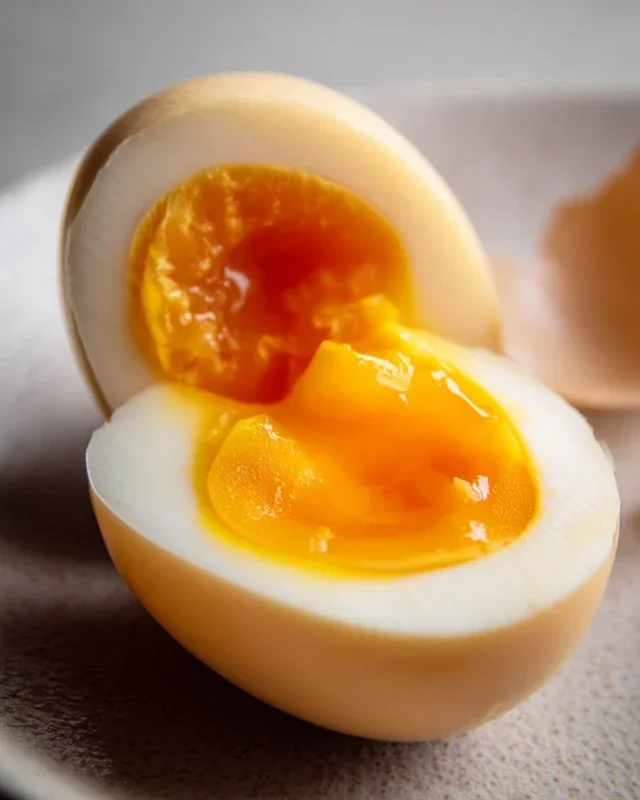
There’s something truly magical about a perfectly cooked ramen egg, or ajitama, perched atop a steaming bowl of noodles. That golden yolk, just barely set and lusciously creamy, combined with the savory, umami-rich marinade, elevates a simple bowl of ramen to an unforgettable culinary experience. Forget those bland, overcooked eggs you might have encountered; making your own ajitama is surprisingly straightforward and incredibly rewarding. They are a staple in our kitchen, adding a gourmet touch to everything from ramen to rice bowls and even avocado toast. Let’s dive into how you can create these delightful flavor bombs at home.
Ingredients:
Cooking Instructions
Step 1: Preparing the Eggs for Boiling
The foundation of a great ajitama is the perfectly boiled egg. For the best results, I recommend using eggs that are a few days old rather than super fresh ones. Fresher eggs can be more difficult to peel cleanly. Before you even think about boiling, gently pierce the wider end of each egg with a pin or a fine needle. This little step helps to prevent cracking during the boiling process and also makes peeling much easier. If you’re opting to use vinegar in your boiling water, add about a tablespoon of white vinegar to the water. The vinegar helps to coagulate any egg whites that might escape if a crack does form, keeping your eggs intact.
Step 2: The Perfect Boil
Bring a medium saucepan of water to a rolling boil. The amount of water should be enough to fully submerge the eggs. Once boiling, carefully lower your eggs into the water using a slotted spoon or spider. The goal here is a soft-boiled egg with a jammy, slightly runny yolk. For most large eggs, this means boiling for exactly 6 minutes and 30 seconds. It’s crucial to be precise with this timing. As soon as the timer goes off, immediately transfer the eggs to an ice bath. An ice bath is essential for stopping the cooking process instantly, preventing the yolks from overcooking and turning chalky. Let the eggs sit in the ice bath for at least 10-15 minutes, or until they are completely cool to the touch. This chilling step also further aids in easy peeling.
Step 3: Peeling with Care
Once your eggs are thoroughly chilled, it’s time for the most dreaded part for some: peeling. Gently tap the cooled egg on a hard surface to crackle the shell all over. Then, start peeling from the wider end, where you made the initial pinprick. The cold water from the ice bath should have loosened the membrane between the shell and the egg white. If you encounter any stubborn spots, you can try peeling the egg under a gentle stream of cool running water. This can help to wash away any small shell fragments and loosen the membrane further. Be patient and gentle; the aim is to get the shell off without damagin extractg the delicate egg white.
Step 4: Crafting the Flavorful Marinade
While your eggs are chilling or being peeled, it’s time to prepare the star of the show: the ajitama marinade. In a small saucepan, combine the soy sauce, water, non-non-non-alcoholic alternativeic non-alcoholic mirin, and granulated sugar. Stir these ingredients together over medium heat. Your goal is to dissolve the sugar completely. You don’t need to bring this mixture to a boil; just gentle simmering until the sugar is no longer visible is sufficient. Once the sugar has dissolved, remove the saucepan from the heat and let the marinade cool down. It’s important that the marinade is at least lukewarm, if not cool, before you add your peeled eggs. Adding hot marinade could start to cook the eggs further and affect their texture.
Step 5: Marinating for Maximum Flavor
This is where the magic truly happens. Once your eggs are peeled and your marinade has cooled, it’s time to let them mingle. You’ll need a sealable container or a sturdy zip-top bag. Place the peeled, soft-boiled eggs into the container. Pour the cooled marinade over the eggs, ensuring that they are fully submerged. If your container is too large and the eggs aren’t completely covered, you can top it up with a little extra water or soy sauce. Seal the container tightly or press out as much air as possible from the zip-top bag. Now, the waiting game begin extracts. For the best flavor, let the eggs marinate in the refrigerator for at least 6 hours, but ideally for 12 to 24 hours. The longer they marinate, the deeper the flavor will penetrate the egg white, and the yolk will take on a beautiful, richer hue. You can turn them gently a couple of times during the marinating period to ensure even distribution of the flavor. These ajitama are fantastic served with ramen, in bento boxes, or even sliced over a salad. Enjoy the fruits of your delicious labor!
Conclusion:
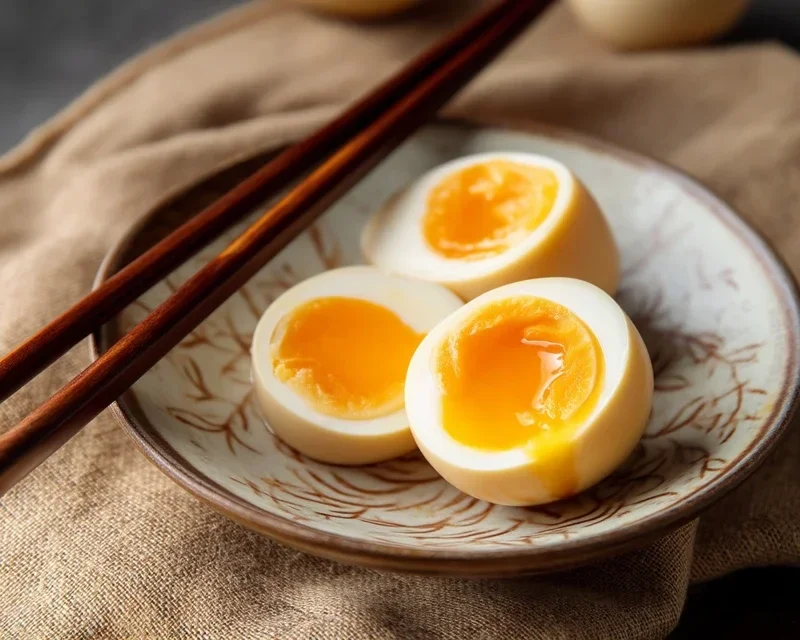
You’ve now learned how to master the art of creating perfect Ramen Eggs, also known as Ajitama! This recipe is truly fantastic because it transforms a humble boiled egg into a flavor powerhouse, with a beautifully jammy yolk and a savory, umami-rich marinade. The subtle sweetness and salty depth from the soy sauce, non-alcoholic mirin, and non-alcoholic sake infusion elevates these eggs beyond anything you’ll find pre-made. They are incredibly versatile and add a gourmet touch to so many dishes, not just ramen! I highly recommend you give this Ramen Egg recipe a try; it’s surprisingly simple and the reward is immense.
Think of the possibilities! Besides being the quintessential topping for a steaming bowl of ramen, these Ajitama are amazing atop salads, nestled in rice bowls, or even as a standalone snack. Feel free to experiment with the marinade! You can adjust the sweetness by tweaking the non-alcoholic mirin, or add a touch of heat with a pinch of chili flakes. Some people even add a sliver of gin extractger or garlic to the marinade for an extra layer of complexity. Don’t be afraid to make them your own!
Frequently Asked Questions:
How long do ramen eggs last in the refrigerator?
Properly stored ramen eggs will keep in the refrigerator for about 3 to 4 days. Make sure they are in an airtight container to maintain their freshness and prevent them from absorbing other odors.
Can I make the marinade ahead of time?
Absolutely! The marinade can be made a day or two in advance and stored in the refrigerator. This allows the flavors to meld even further, which can result in an even more delicious ajitama.
What kind of eggs should I use?
You can use any large eggs for this recipe. The key is to achieve that perfect jammy yolk, which is usually best done by cooking them for about 6 to 7 minutes, depending on your stove and egg size. Using room temperature eggs can also help prevent cracking.
Ramen Eggs (Ajitama)
Perfectly marinated soft-boiled eggs with a jammy yolk, ideal for ramen or as a snack.
Ingredients
-
6 large eggs
-
Vinegar (optional for boiling eggs)
-
1/2 cup light sodium soy sauce
-
1/4 cup water
-
1/4 cup non-alcoholic mirin
-
2 tablespoons granulated sugar
Instructions
-
Step 1
Gently place eggs in a pot of cold water. Add a splash of vinegar if using. -
Step 2
Bring water to a rolling boil over medium-high heat. Once boiling, cook for exactly 7 minutes for jammy yolks. -
Step 3
Immediately transfer eggs to an ice bath for at least 5 minutes to stop the cooking process and make them easier to peel. -
Step 4
In a small bowl or container, whisk together soy sauce, water, non-alcoholic mirin, and sugar until sugar is dissolved. This is your marinade. -
Step 5
Carefully peel the cooled eggs and place them in the marinade, ensuring they are fully submerged. For best results, use a resealable bag or a container that holds the eggs snugly. -
Step 6
Marinate in the refrigerator for at least 4 hours, or preferably overnight, turning occasionally for even flavor distribution.
Important Information
Nutrition Facts (Per Serving)
It is important to consider this information as approximate and not to use it as definitive health advice.
Allergy Information
Please check ingredients for potential allergens and consult a health professional if in doubt.