Classic Beef Pasta in Tomato Sauce – Easy Ragu Recipe
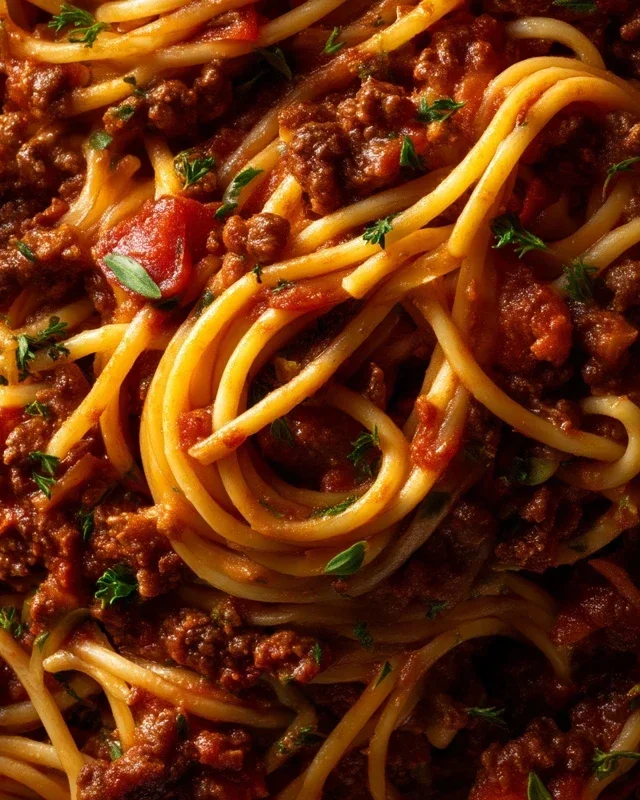
Beef Pasta in Tomato Sauce, often lovingly referred to as Beef Ragu Pasta, is more than just a meal; it’s a warm hug in a bowl. There’s a reason this classic comfort food holds such a special place in so many hearts. It’s the kind of dish that instantly transports you to a cozy kitchen, filled with the rich, non-intoxicating aroma of slow-cooked goodness. What truly sets this Beef Pasta in Tomato Sauce apart is the depth of flavor achieved through patient simmering, allowing the savory beef to meld perfectly with the vibrant, sweet notes of the tomatoes. It’s the ultimate satisfying supper, perfect for family dinners, romantic evenings, or whenever you simply crave something truly delicious and soul-warming. Get ready to create your own unforgettable Beef Ragu Pasta!
Why You’ll Love This Beef Ragu Pasta
A Timeless Classic for Every Occasion
Beef Pasta in Tomato Sauce {Beef Ragu Pasta}
There’s something incredibly comforting and satisfying about a hearty bowl of beef pasta in a rich, savory tomato sauce. This Beef Ragu Pasta is a dish that evokes warmth, family gatherings, and delicious aromas filling the kitchen. It’s not just a meal; it’s an experience, a slow-cooked embrace that’s perfect for a cozy weeknight dinner or a weekend feast. The beauty of a good ragu lies in its simplicity and the depth of flavor that develops with time. We’re going to build this sauce layer by layer, coaxing out the best from every ingredient to create a truly unforgettable pasta dish.
This recipe is all about patience and allowing the flavors to meld beautifully. While it does take some time, the hands-on effort is minimal, making it an excellent candidate for a slow simmer while you catch up on other things. The result is a tender, flavorful beef that melts in your mouth, enveloped in a vibrant, slightly sweet, and deeply savory tomato sauce.
Ingredients:
Cooking Instructions:
Step 1: Building the Flavor Base (Soffritto)
We begin extract by creating what the Italians call a “soffritto,” a foundational blend of aromatic vegetables that forms the heart of many classic sauces. Heat the olive oil in a large, heavy-bottomed pot or Dutch oven over medium heat. Add the finely chopped onion, carrots, and celery. This trio of vegetables, often referred to as mirepoix in other cuisines, will slowly soften and sweeten as they cook, releasing their delicious essences into the oil. Stir them occasionally and let them cook for about 8-10 minutes, or until they are tender and translucent but not browned. You want them to become soft and slightly golden, which signifies the development of their sweet flavors. Once the vegetables are tender, add the minced garlic and cook for another minute until fragrant, being careful not to burn it.
Step 2: Browning the Beef
Now it’s time to introduce the star of our ragu – the ground beef. Add the ground beef to the pot with the softened vegetables. Break it up with a spoon and cook, stirring occasionally, until it’s nicely browned on all sides. This browning process is crucial for developing a rich, meaty flavor. As the beef cooks, drain off any excess fat if necessary. Once the beef is thoroughly browned, you’ll have a beautiful, flavorful foundation for your sauce.
Step 3: Deglazing and Adding Liquids
If you’re using red grape juice, this is where we add it to deglaze the pot. Pour in the red grape juice and scrape the bottom of the pot with your spoon to lift any browned bits stuck to the bottom. These bits are packed with flavor and will add incredible depth to your ragu. Let the grape juice simmer and reduce by about half, which usually takes 3-5 minutes. This step cooks off the non-alcoholic alternative and leaves behind a wonderful, complex flavor. Next, pour in the crushed tomatoes and the beef broth. Stir everything together to combine.
Step 4: Simmering and Seasoning the Ragu
Now comes the magic of slow cooking. Add the dried oregano and dried basil to the pot. Season generously with salt and black pepper. Remember that you can always add more seasoning later, so it’s good to start with a reasonable amount and adjust as needed. Bring the sauce to a gentle simmer, then reduce the heat to low, cover the pot, and let it cook for at least 1.5 to 2 hours. The longer it simmers, the more the flavors will meld and deepen, and the more tender the beef will become. Stir the sauce occasionally to prevent it from sticking to the bottom and to ensure even cooking. You’ll notice the sauce thickening and the ingredients becoming incredibly tender. If the sauce becomes too thick during simmering, you can add a little more beef broth or water.
Step 5: Cooking the Pasta and Finishing the Dish
About 15-20 minutes before your ragu is ready to serve, bring a large pot of salted water to a rolling boil. Add your chosen pasta and cook according to the package directions until it’s al dente – tender but with a slight bite. While the pasta cooks, taste your ragu and adjust the seasoning with salt and pepper if needed. Once the pasta is cooked, drain it well, reserving about a cup of the pasta cooking water. Add the drained pasta directly to the pot with the beef ragu. Toss everything together until the pasta is well coated in the rich sauce. If the sauce seems a little too thick, add a splash of the reserved pasta water to loosen it up and help the sauce cling beautifully to the noodles.
Serve immediately, generously topped with freshly grated Parmesan cheese. This Beef Ragu Pasta is more than just a meal; it’s a warm hug in a bowl, a testament to the deliciousness that simple, quality ingredients and a little bit of time can create. Enjoy every savory bite!
Conclusion:
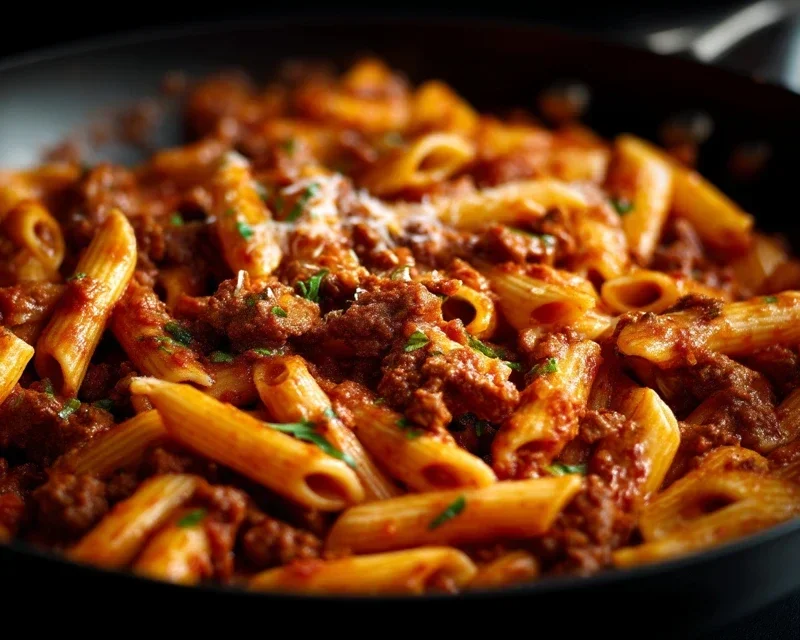
There you have it – our delicious Beef Pasta in Tomato Sauce, a classic Beef Ragu Pasta that’s perfect for any occasion. This recipe is truly a winner because it delivers such deep, comforting flavors with a surprisingly straightforward process. The slow simmering of the beef in the rich tomato sauce creates an incredibly tender and savory experience that will have everyone asking for seconds. It’s the kind of meal that feels special enough for a weekend dinner but is also simple enough for a busy weeknight when you crave something truly satisfying.
We love serving this hearty ragu over your favorite pasta – think robust shapes like rigatoni or pappardelle that can really hold onto all that glorious sauce. A sprinkle of fresh parsley and a generous grating of Parmesan cheese are the perfect finishing touches. For a lighter option, consider serving it with crusty bread for dipping, or even over creamy polenta. Don’t be afraid to get creative with variations! Adding a splash of red grape juice to the sauce before simmering adds another layer of complexity, or you could introduce a pinch of chili flakes for a subtle kick. I truly encourage you to give this Beef Pasta in Tomato Sauce a try – I’m confident it will become a beloved staple in your recipe repertoire!
Frequently Asked Questions:
Can I make this Beef Ragu Pasta ahead of time?
Absolutely! In fact, this Beef Ragu Pasta often tastes even better the next day as the flavors have more time to meld together. You can store it in an airtight container in the refrigerator for up to 3-4 days. Reheat gently on the stovetop or in the oven until heated through.
What kind of beef is best for this recipe?
For the most tender and flavorful ragu, we recommend using tougher cuts of beef that benefit from slow cooking. Ground beef is a fantastic and accessible option, but chuck roast or even brisket, cut into small pieces, will yield an incredibly rich and melt-in-your-mouth texture.
Beef Pasta in Tomato Sauce
A hearty and flavorful beef ragu pasta, perfect for a comforting meal.
Ingredients
-
1 tablespoon olive oil
-
1 pound ground beef
-
1 cup chopped yellow onion
-
2 cloves garlic, minced
-
1 (28 ounce) can crushed tomatoes
-
1 teaspoon dried oregano
-
1/2 teaspoon dried basil
-
Salt and black pepper to taste
-
1 pound pasta
Instructions
-
Step 1
Heat olive oil in a large pot or Dutch oven over medium heat. Add ground beef and cook, breaking it up with a spoon, until browned. Drain off any excess grease. -
Step 2
Add chopped yellow onion to the pot and cook until softened, about 5-7 minutes. -
Step 3
Stir in minced garlic and cook for 1 minute more until fragrant. -
Step 4
Pour in crushed tomatoes, then add dried oregano, dried basil, salt, and black pepper. Stir to combine. -
Step 5
Bring the sauce to a simmer, then reduce heat to low, cover, and let it cook for at least 1 hour, stirring occasionally, to allow the flavors to meld. For a richer flavor, simmer for longer. -
Step 6
Meanwhile, cook pasta according to package directions. Drain and set aside. -
Step 7
Serve the beef ragu sauce over the cooked pasta. Garnish as desired.
Important Information
Nutrition Facts (Per Serving)
It is important to consider this information as approximate and not to use it as definitive health advice.
Allergy Information
Please check ingredients for potential allergens and consult a health professional if in doubt.